Rhuematoid Arthritis often begins with pain, swelling and morning stiffness in the small joints of the hands and may gradually progress to involve other joints
Dr Vara Prasad cautioned against self-medication and prolonged, unsupervised use of steroids or painkillers
Recognising symptoms early and consulting a Rheumatologist can help prevent irreversible joint damage and long term disability, he stated.
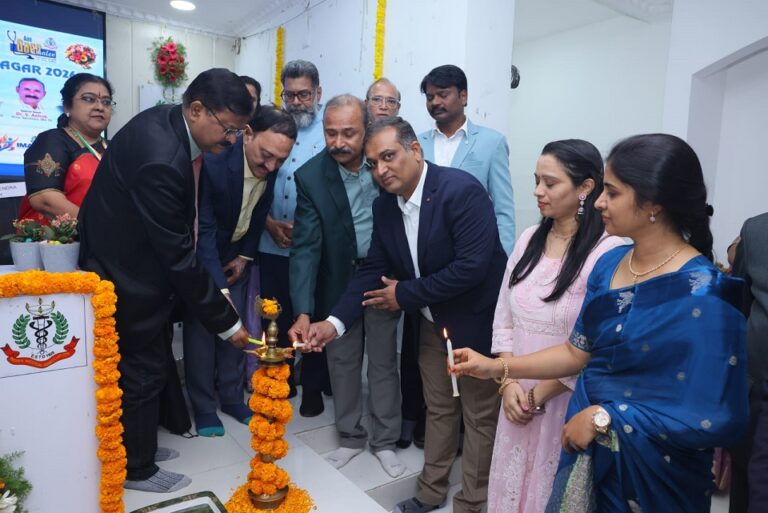
KARIMNAGAR, SEPTEMBER 17, 2026: The Yashoda Hospitals, Somajiguda, Hyderabad, took a proactive approach to combat the rising prevalence of Rheumatic disease by promoting awareness of early diagnosis and lifestyle modifications.
As part of the Rheumatology Disease Awareness Month (RDAM) during September, Yashoda Hospital is focusing on educating the public about the significance of timely treatment to prevent complications in the future.
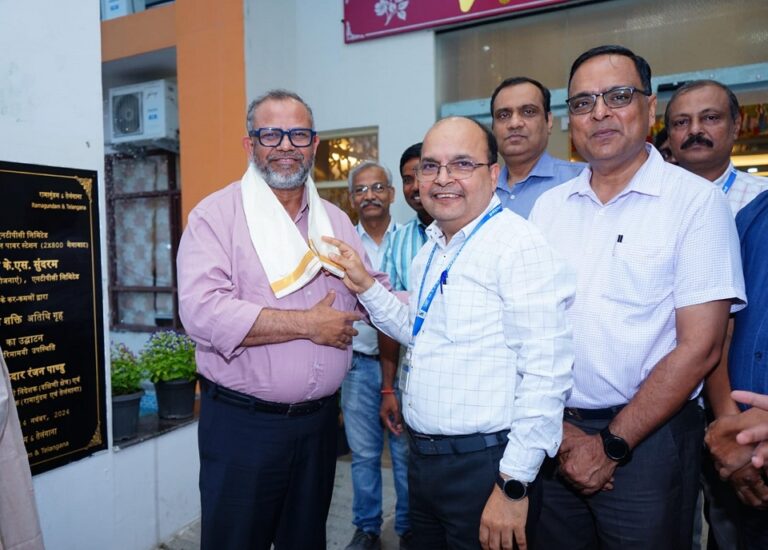
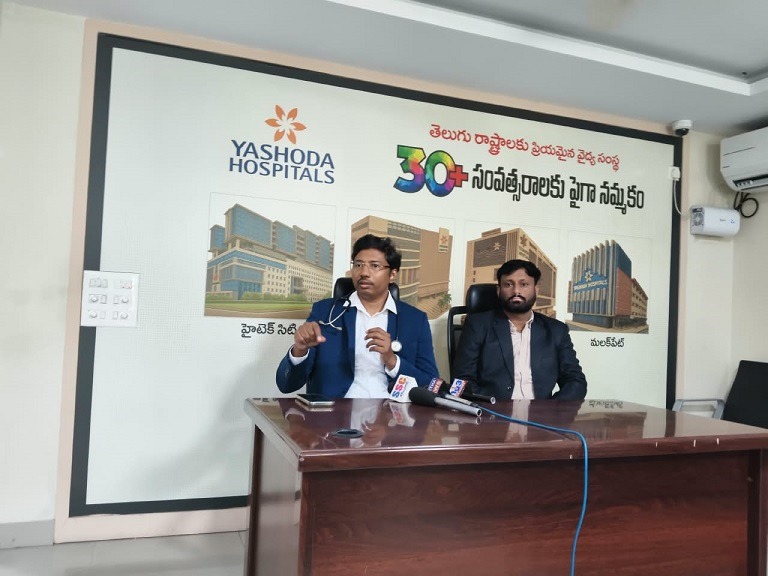
Disclosing this to newsmen at Yashoda Medical Centre in Karimnagar town on Thursday, Dr Rajendra Vara Prasad, Consultant Rheumatologist, Yashoda Hospitals, Somajiguda, said that Rheumatology focuses on diagnosing and treating autoimmune and inflammatory diseases that mainly affect the joints, muscles, and connective tissues. Arthritis is a common early sign, indicating the presence of rheumatological disorders. He emphasised the importance of timely detection and lifestyle changes to get relief from the disease.
“Rheumatology diseases comprise more than 100 conditions that primarily affect the joints but may also involve other parts of the body, including vital organs. While they affect people of all ages, many rheumatic conditions are commonly seen among younger adults and women”, he stated.
‘Rheumatoid Arthritis often begins with pain, swelling and morning stiffness in the small joints of the hands and may gradually progress to involve other joints. If left untreated, persistent inflammation can lead to permanent joint damage, deformity and disability. The first three to six months are a critical window for treatment, and early intervention can make a significant difference in controlling the diseases and protecting joint function”, he pointed out.
Dr Rajendra Vara Prasad cautioned against self-medication and prolonged, unsupervised use of steroids or painkillers, while emphasising that low-dose steroids may have an importance in selected patients when prescribed and monitored by a rheumatologist. He also noted that dietary restrictions followed by patients may lack scientific evidence; for most individuals with rheumatic diseases, a balanced diet rich in fruits, vegetables and nuts along with limited ultra-processed, deep-fried, and fast foods is a healthier approach.
Rheumatic disease should not be seen as a barrier to living a normal life. With early diagnosis, appropriate medicines and regular follow-up, patients can maintain their mobility, independence and quality of life. Rheumatoid Arthritis can also be managed during marriage, pregnancy and breastfeeding, with treatment plans tailored to the individual under medical supervision. Recognising symptoms early and consulting a Rheumatologist can help prevent irreversible joint damage and long term disability, he stated.
About the Author