NALGONDA, JUNE 10, 2026: “The Telangana movement is unique in that the media has transcended its traditional roles of informing, influencing, and educating, elevating the aspirations of the populace to the level of policy-making as a formidable advocacy platform,” remarked Prof Srinivas Rao Vaddanam of Dr BR Ambedkar Open University.
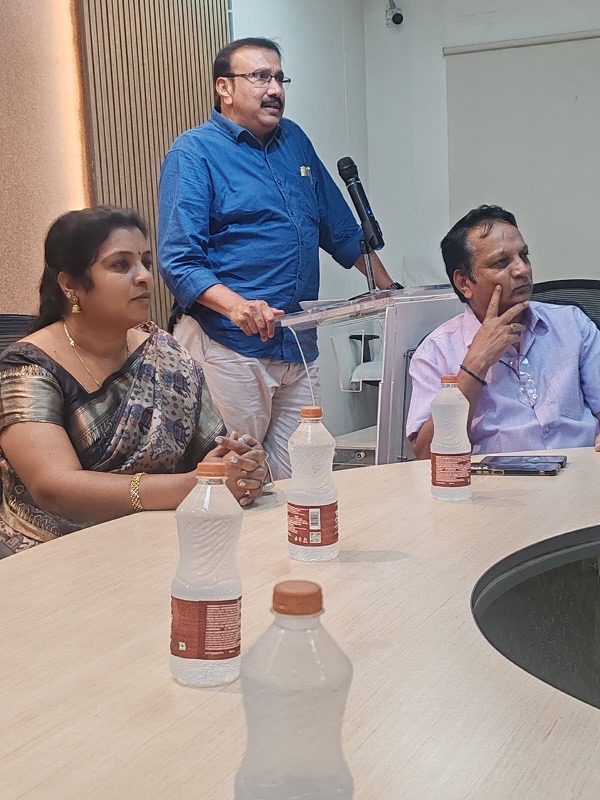
Delivering a lecture on “Role of Media in the Telangana Movement: A Historical Perspective,” organised by the Department of History of Mahatma Gandhi University, Prof Srinivas Rao emphasised the significant impact of the media in the prolonged public struggle for the establishment of the Telangana State. He noted that the media was instrumental in bringing the Telangana issue not only to political arenas but also to rural areas, igniting the movement’s spirit among the common people.
He highlighted that electronic, print, and new media have robustly supported the extensive student-led protests across various university campuses in the State, particularly in Hyderabad, Warangal, and Nalgonda. Furthermore, he mentioned that the media has played a pivotal role in advancing the values and aspirations of students within society. Prof Srinivas Rao expressed that the media has served as a catalyst in sustaining the aspirations of Telangana people, providing platforms for nationwide discussions and continuously fuelling these aspirations. He asserted that the media has effectively undertaken diverse roles, not only delivering news but also shaping public opinion, exerting pressure on decision-makers, and fostering regional pride.
Prof Srinivas Rao concluded, “The media has persistently endeavoured to bring the existence of Telangana to rural areas, slums, student hostels, and universities, awakening the consciousness of the people through continuous engagement.” He explained that the use of platforms such as new media, social media, mobile phone messages, blogs, and YouTube channels has increased regional unity and coordination among the youth, and television debates and special programs have put the Telangana argument before the public with evidence. He noted that the media has expanded the “public sphere” and opened up new avenues for democratic discourse. He urged every student to develop writing skills in the age of social media.
Principal of the University College of Arts and Social Sciences and Director of Students’ Welfare Cell Dr. K Aruna Priya, Chairman of Board of Studies in History Prof K Vijaya Babu, teachers of History Department Dr. Panasa Ramakrishna, Dr. Sharif, Dr. Srinivas, Vivek, and students were present.
About the Author