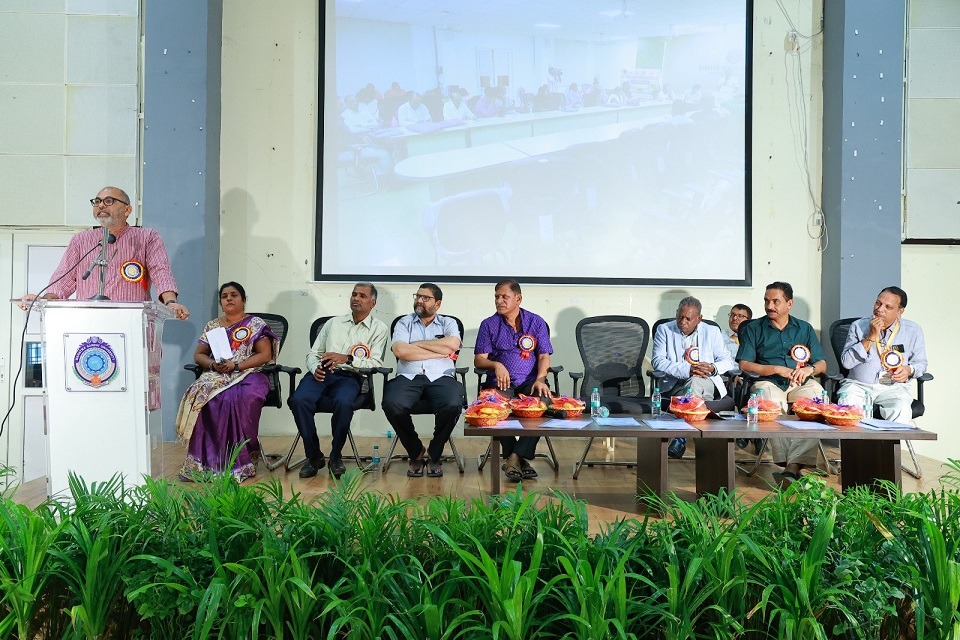
NALGONDA, NOVEMBER 15, 2026: “There is a need for historical writing to transcend the conventional focus on developments in northern India and acknowledge the unique experiences of southern India, marginalised groups, and local societies,” said Prof Bangya Bukya of Hyderabad Central University.
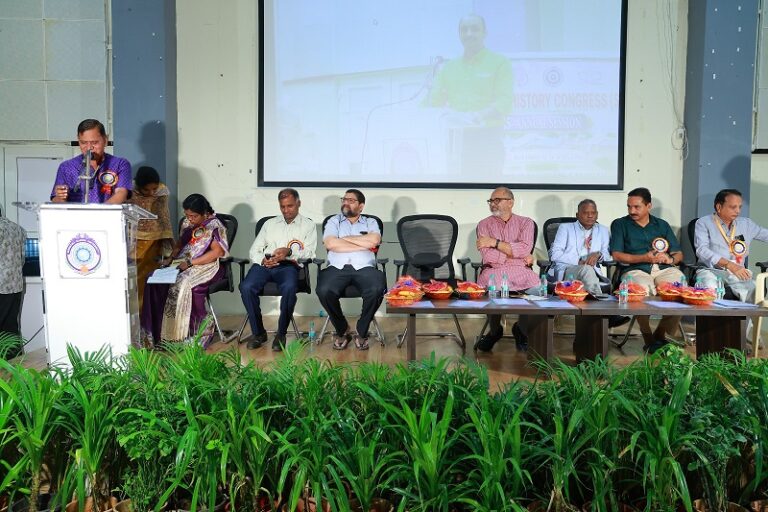
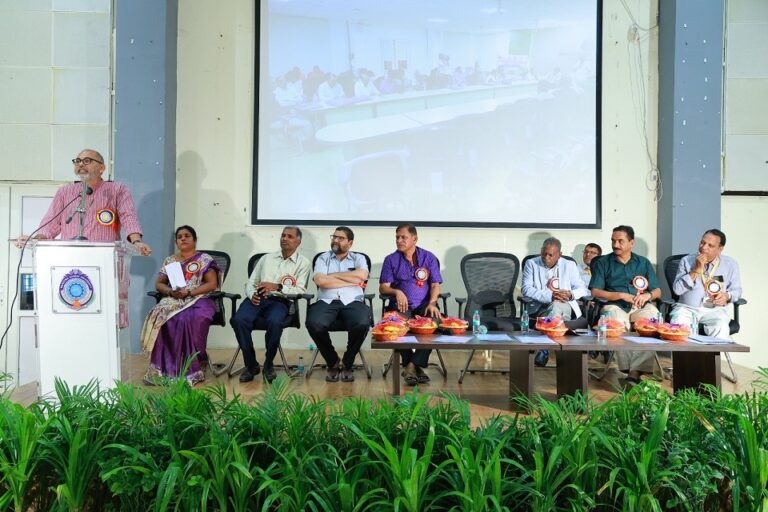
Delivering the keynote address at the Valedictory of the 45th Annual Session of the South Indian History Congress organised by the Department of History and Tourism of Mahatma Gandhi University, Nalgonda, Prof Bangya Bukya asserted that history should not merely be considered a narrative but rather a body of knowledge derived from credible evidence, systematic methodologies, and critical inquiry.
Applying the historical experiences of one region exclusively to the nation as a whole overlooks the unique paths of other regions and the contributions of their inhabitants; Prof. Bukya advocated for an in-depth exploration of the political, economic, social, and cultural developments in southern India during the sixth to twelfth centuries. He argued that the histories of dynasties like the Pallavas, Cholas, and Kakatiyas should be analysed within their specific historical contexts. He also noted that the study of southern India should extend beyond kings and battles, emphasising the importance of maritime trade, merchant associations, overseas connections, and the support for temple construction outside India.
Stating that the researchers should investigate the roles of merchants, sculptors, artisans, and labouring communities in these historical developments, Prof Bangya Bukya pointed out that Jain and Buddhist literature, including the Jataka tales, contains insights into daily life, occupations, trade, and social relations. He criticised the disproportionate focus on a narrow range of sources in Indian historical studies.
A comprehensive account requires researchers to compare various sources and evaluate their chronology, context, and reliability. In addition to examining dominant perspectives, historical inquiry should incorporate the viewpoints of marginalised communities and local societies. He argued that individuals should be seen not merely as passive observers but as active participants in shaping history.
A historical scholarship that reflects diverse social experiences can foster an inclusive, secular, democratic, and accountable society. Speaking on the occasion, President of the South Indian History Congress Prof. Victor Babu urged researchers to emphasise the histories of marginalised communities and encouraged young scholars to adopt rational, evidence-based approaches to historical writing. He highlighted the need for greater collaboration among educators, researchers, and historians, noting that southern India presents significant opportunities for studying local histories, diverse social experiences, and cultural transformations.
About the Author