Mother’s poor health is making pregnancy riskier; Dr Anusha Rao, Yashoda Hospital, Somajiguda
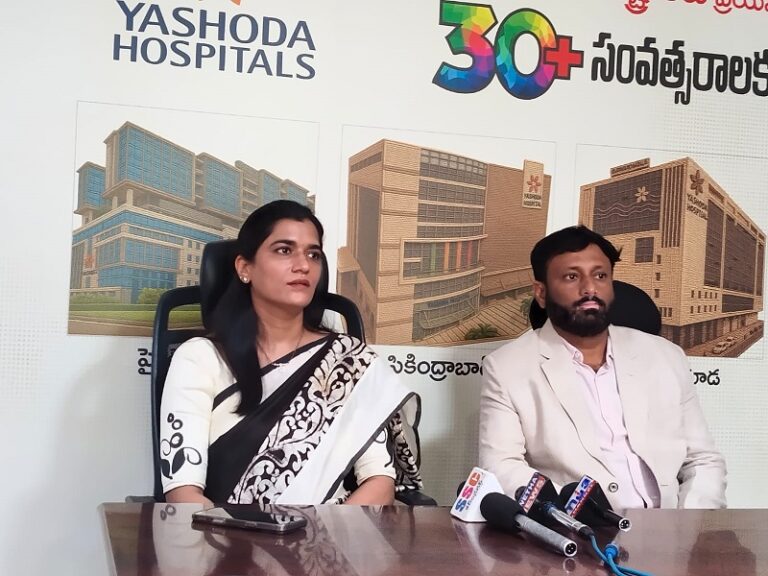
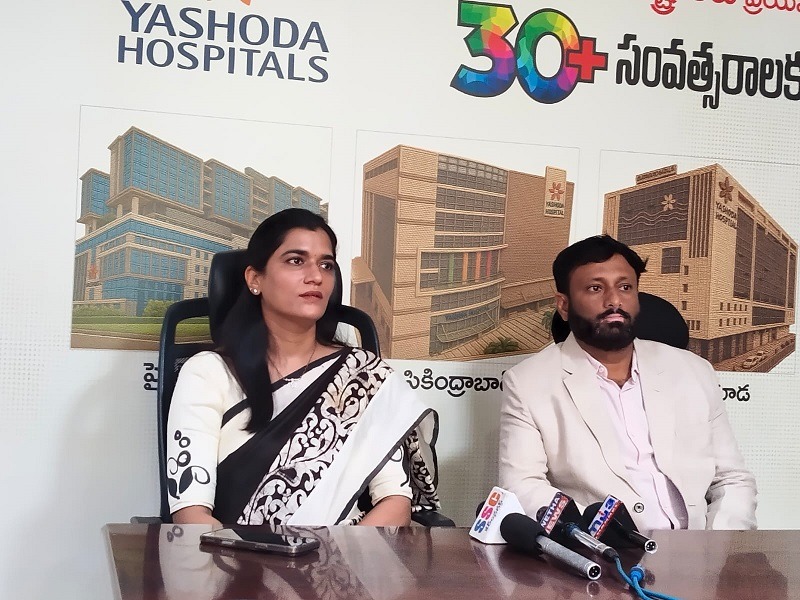
KARIMNAGAR, NOVEMBER 26, 2026: Comprehensive Women’s healthcare requires timely diagnosis, specialised treatment and preventive care at every stage of life, from menstrual and reproductive health care concerns to high-risk pregnancies and menopause, said Dr Anusha Rao, Senior Consultant Obstetrician, Gynaecologist, Laparoscopic and Robotic Surgeon at Yashoda Hospitals, Somajiguda, Hyderabad.
Talking to newsmen here at Yashoda Health Centre, Dr Anusha Rao highlighted the importance of personalised medical care and stressed the need for early identification and effective management of gynaecological conditions and pregnancy-related complications to improve long-term health outcomes. Stating that a mother’s poor health makes pregnancy riskier, she said that pregnancies complicated with hypertension, diabetes, heart disease, thyroid disorders, kidney conditions and autoimmune diseases require careful preconception assessment, regular monitoring and multidisciplinary care.
“With appropriate medical guidance and advances in obstetric care, many women with pre-existing health conditions can experience successful pregnancies. Identifying potential risks early, optimising existing medical conditions before conception and ensuring close monitoring throughout pregnancy are essential to safeguarding both maternal and fetal health”, Dr Anusha pointed out.

She also stressed the importance of specialised gynaecological care for conditions such as PMOS, uterine fibroids, endometriosis, ovarian cysts and abnormal uterine bleeding, which require timely evaluation and individualised treatment.
Highlighting advancements in gynaecological surgery, she said the growing role of laparoscopy, hysteroscopy and robot-assisted procedures has come in handy in managing various gynaecological conditions. When clinically appropriate, these minimally invasive techniques offer advantages such as smaller incisions, greater surgical precision, reduced post-operative pain, shorter hospital stays and faster recovery, she said and underlined the importance of preventive health through regular gynaecological check-ups, cervical cancer screening and HPV vaccination to support early detection and disease prevention.
Dr Anusha advised the womenfolk to get a Pap smear test every three years to detect precancerious cell changes and cervical cancer early for average-risk individuals with a cervix and prevent cervical cancer, which may occur 10 years later. She also informed the womenfolk to conduct breast examination every month for early detection of breast cancer.
About the Author