“A change of government does not reset the ecological clock. Trees take years to grow; the consequences of neglect can take just as long to become visible.”
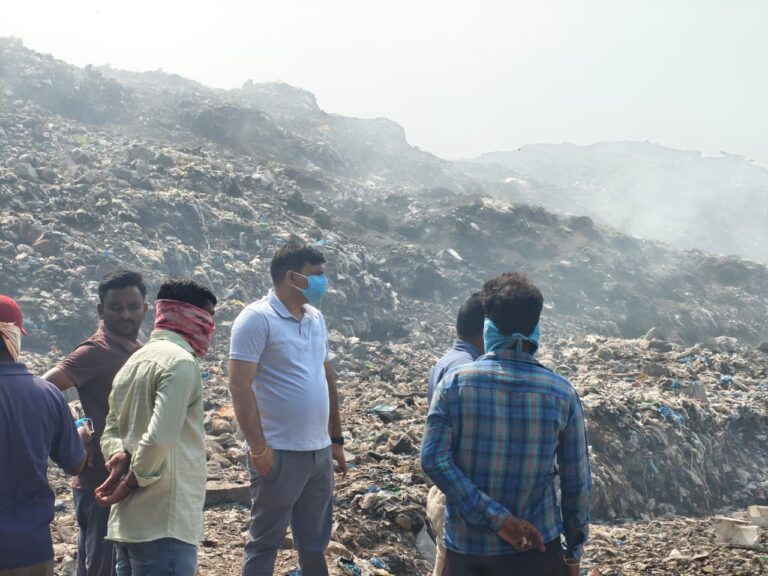
KARIMNAGAR, OCTOBER 13, 2026: When rain fails, and landscapes turn brown, public anger naturally targets those in office. The current administration must provide relief, protect water supplies and respond to rural distress. But managing a crisis is not proof of creating it. A fair assessment must distinguish inherited vulnerability from present responsibility.
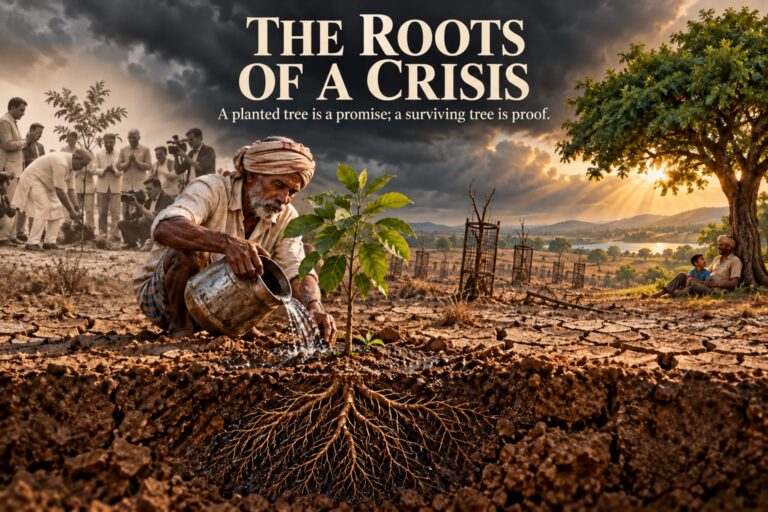
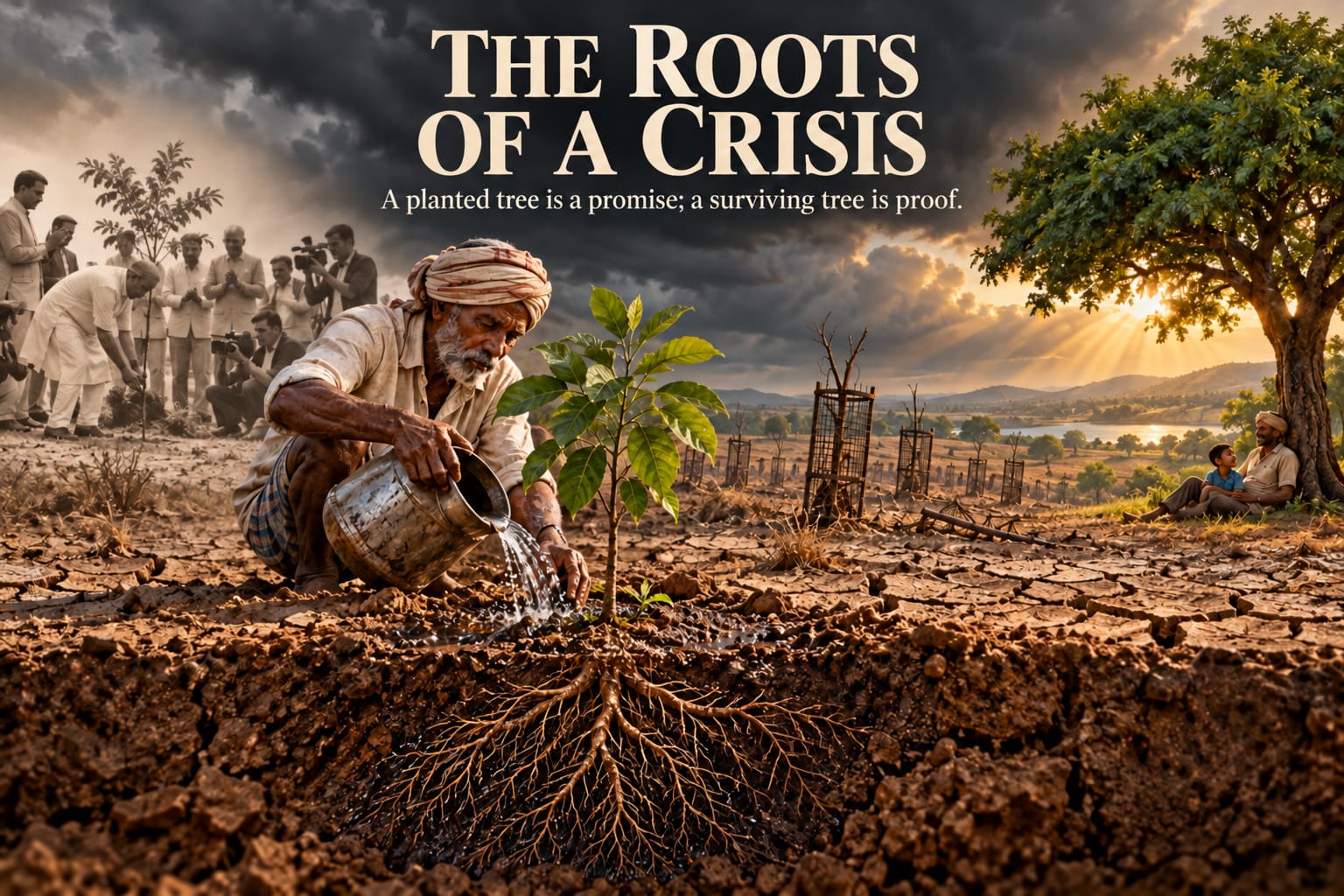
Environmental programmes should be judged not by their launch but by the durability of their results. A sapling planted before cameras is a promise, not an achievement; its value depends on whether it survives, develops roots and becomes part of a living landscape.
“The ceremony ends in an afternoon. The obligation continues for years.”
Beyond the Planting Photograph
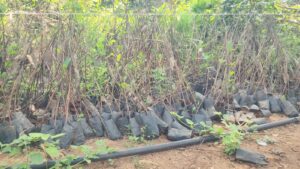
When large plantation figures are announced, citizens are entitled to ask what became of the saplings: how many survived, where they are growing, who maintained them, and whether failed plantations were replaced or simply counted again.
These are questions of accountability, not hostility. Expenditure records and photographs prove that an activity occurred, not that it achieved an ecological outcome. The relevant measure is the number sustained. Independently verified survival figures, accessible plantation records and clear maintenance responsibilities would give environmental claims credibility.
“A planted tree is a promise; a surviving tree is proof.”
The Burden of Inheritance
Drought vulnerability develops over time. Rainfall variability, heat, groundwater extraction, land use and the condition of water bodies all shape water stress. It would be misleading to blame every dry spell on one administration or claim that plantation failures alone explain a drought.
But complexity must not shield earlier decisions from scrutiny. If previous neglect contributed to present vulnerability, those responsible cannot dismiss questions about survival simply because they have left office.
Nor can a successor administration use inherited failure as a permanent defence. It must establish the facts, repair what can be repaired and act. Yesterday’s responsibility and today’s obligation can coexist.
“The past may explain the crisis, but it must never become an excuse for inaction.”
An Audit That Leads to Repair
The answer is not another round of accusations, but a public, independent environmental audit with deadlines and consequences. Governments should publish plantation locations, planting dates, expenditure, survival rates and maintenance contracts; commission field verification by independent experts and local communities; protect surviving trees and water sources; replace failed plantations; and release annual progress reports in a searchable database.
The audit should distinguish rainfall-driven stress from failures of planning, implementation and maintenance, assign responsibility where evidence shows negligence or misuse, and fund restoration rather than merely document decline. The public should demand geotagged records, time-stamped survival surveys, audited expenditure, water-level and rainfall data, maintenance logs, replacement figures and clear responsibility. Each target should have a baseline, survival benchmark, verification date and remedy when missed.
Governments may inherit damaged landscapes, but they cannot inherit an exemption from action. The test is simple: publish the record, verify the results, repair what has failed and report progress until the trees survive and the water returns. The photograph belongs to the day of planting; the public verdict should come years later, in the shade.
“The true measure of leadership is not the promise made beneath a sapling, but the shade created for future generations.”
About the Author