“Like invasive plants represent negative distractions, bad habits (like drug abuse or smoking), and toxic peer behaviours that can choke a student’s potential if left unattended’
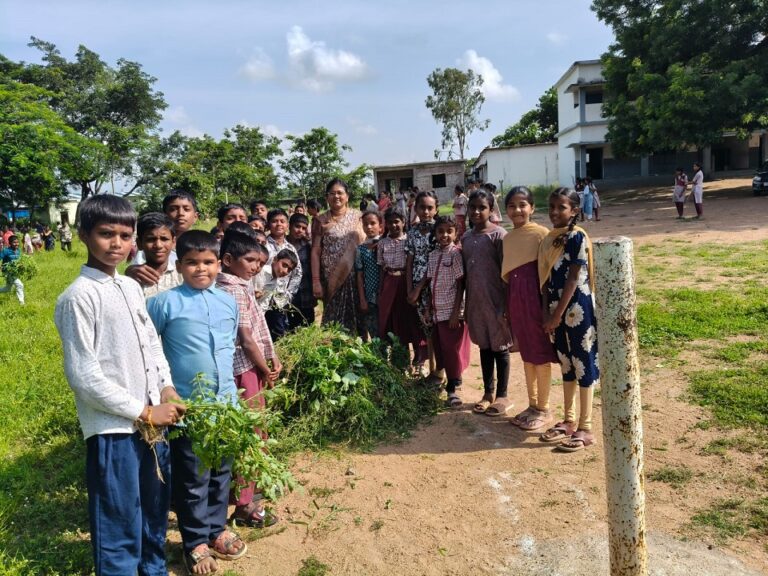
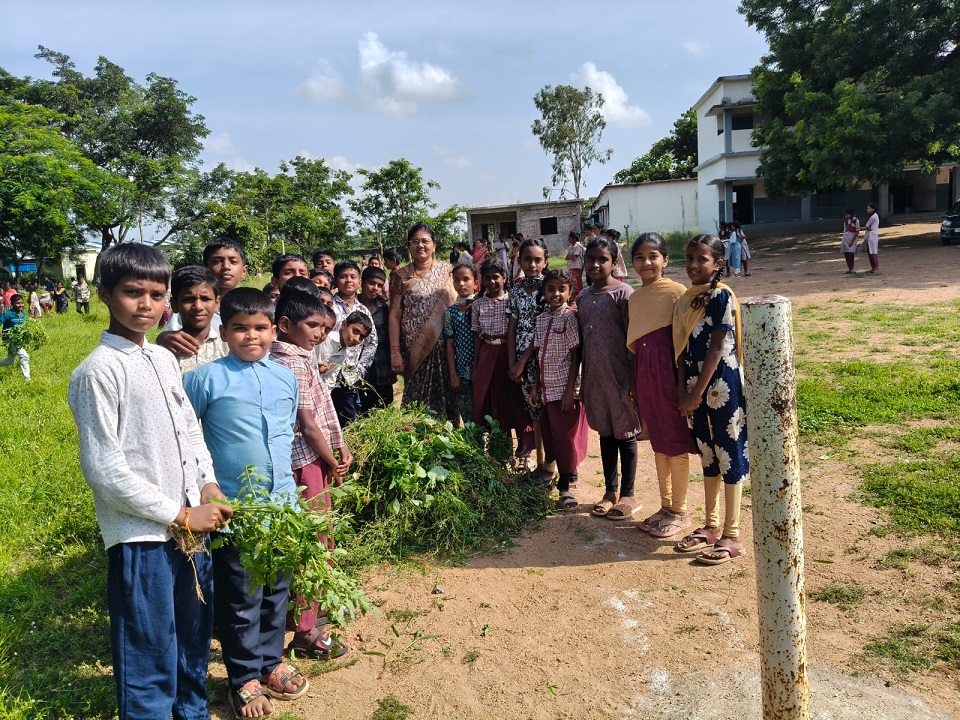
RAJANNA-SIRCILLA, SEPTEMBER 01, 2026: In order to eliminate Parthenium grass-a toxic white-flowered weed, which is considered an environmental menace and causes health hazards- the students of Zilla Parishad High School, Jillela, in Rajanna Sircilla district have initiated a drive to get rid of the campus of Parthenium grass by volunteering to clear the weed from the school campus grounds on Tuesday.
Under the guidance of school headmaster Anuradha, the students along with their teachers have removed the Parthenium to protect the school from environmental pollution. Anuradha enlightiened the students about the threat posed by Parthenium – an invasive weed also known as ‘Carrot grass’ – steadily increasing. She explained that the weed has spread rapidly across the country, damaging crops and affecting both human and animal health. “Its contact can cause severe allergies and other health complications, apart from reducing soil fertility and agricultural productivity,” she cautioned.
Originally arriving from America alongside wheat imports in 1950, Parthenium has since overrun 35 million hectares of farmland, pastures, and forests across the country. Wherever ‘Parthenium’ grows, it destroys native grass and herb species, such as ‘Doob’ (Bermuda grass), ‘Motha’ (nutgrass), and ‘Satavar’ (asparagus). The toxin ‘Parthenin,’ released from its roots, depletes the soil of nitrogen and phosphorus, rendering the land barren. It can reduce wheat and pulse yields by up to 40 per cent.
The headmaster also said that just as a garden requires regular weeding to prevent harmful plants from choking flowers, a student’s mind must be consistently nurtured to eliminate negative influences, vices, and distractions. Educational institutions actively bridge this gap by combining physical cleanliness drives (like uprooting invasive weeds) with moral campaigns against social evils.
Like invasive plants represent negative distractions, bad habits (like drug abuse or smoking), and toxic peer behaviors that can choke a student’s potential if left unattended, she said and added that the character formation, like maintaining a garden, relies on persistence, regular check-ins, and weeding out the undesirable from the good. Tiny acorns grow into great oaks. Even the smallest positive habits or dreams in a student must be systematically protected from the “weeds” of cynicism and bad ethics, she pointed out.
To foster healthy habits and emphasise the significance of cleanliness, the students and teachers participated in a highly spirited cleanliness drive. The initiative aimed to instil the principle of “Cleanliness is next to Godliness.”. The students not only found the activity enjoyable but also took pride in their active contribution. The headmaster commended everyone for the success of the drive, acknowledging the students’ and teachers’ remarkable collective efforts.
About the Author