Beyond centuries of silence — the Thaduru Shiva Temple that touches the soul
Some temples are seen with the eyes. Some temples remain etched in the heart.
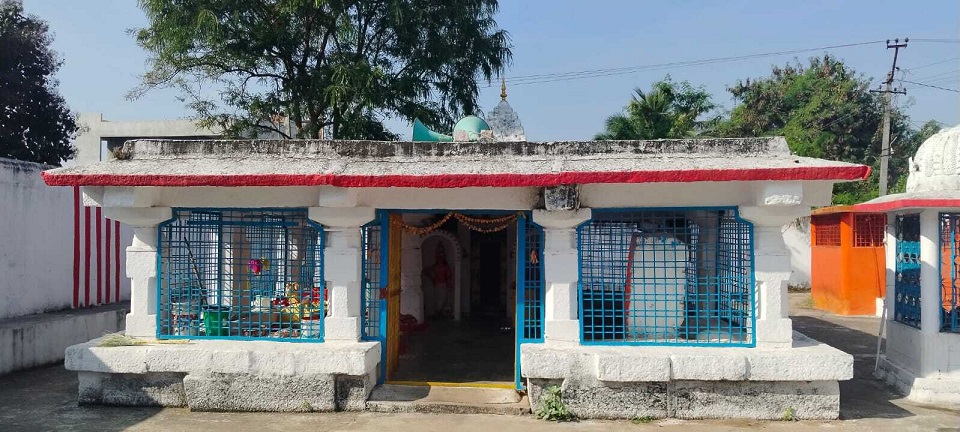
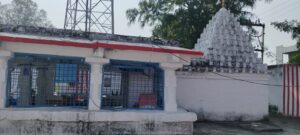
One such sacred place is the Shiva Temple in Thaduru village, Thangallapalli mandal, Rajanna Sircilla district.
RAJANNA-SIRCILLA, DECEMBER 18, 2025: The ancient and historic Shiva temple in Thaduru village, about 5 kilometres from Sircilla textile town, is well-known to solve domestic unrest, mental stress, health issues, land disputes, financial difficulties, childlessness, or marriage-related problems.
This temple is known for blessing harmonious unions by resolving marriage problems and offer remedies for astrological hurdles (doshas) with the presence of Naga Devatha idols.
With just this sacred chant, when one thinks of the Thaduru Shiva Temple, the mind slowly drifts into calmness. The moment you step into the temple, an indescribable peace gently envelops the heart.
You don’t feel like speaking loudly…You don’t feel like walking fast… Here, Shiva does not speak through words — He speaks through silence.
Time hidden in stone…Breath frozen in sculpture…As you enter the temple premises, the stone pillars and sculptures welcome you. They are not merely structures. They are symbols of devotion, carved with love by some unknown devotee centuries ago.
Times changed. Kingdoms changed. But these stone pillars still stand firm, as if silently saying, “I have seen… I have heard…”
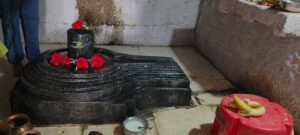
Standing before the Shiva Lingam in the sanctum, the disturbances in the mind begin to melt away, one by one. A certain burden seems to slip off the heart. The pains hidden deep within dissolve as tears.
That is not weakness —That is purification received in the presence of Shiva.
Grace of the Serpent Deity — the life force of this temple
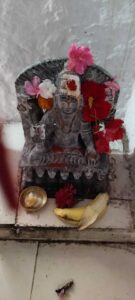
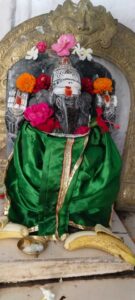
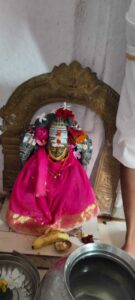
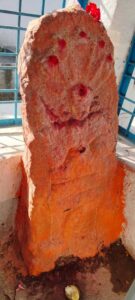
This temple draws its vitality from Nāga worship. Standing before the Nāga Devata idols, one does not feel fear, but a sense of motherly protection. The serpent deities here stand with abhaya hasta, as if assuring, “Do not fear… I am here.”
Even today, stories are heard in the village — of devotees who came here with tears in their eyes, praying for children, relief from Nāga doṣa, protection of land and home, family welfare — and returned with joy and fulfillment.
Shaivism… Shakti… in one sacred space
What began as a centre of Nāga worship gradually became a Shaiva temple with the consecration of the Shiva Lingam. Later, the worship of the Mother Goddess was also added.
Here, Shiva resides. Here, Shakti resides. This is a divine abode where Shiva–Shakti together protect the devotee. Serpent movement — a divine sign
Village elders narrate with deep faith that serpents are often seen moving within the temple premises. This is not considered frightening — it is believed to be the grace of Nāga Devata and the command of Lord Shiva.
It stands as a living testimony to the Shiva–Nāga principle, a sign that divine energy is alive and active in this temple.
Sleeping in Shiva’s presence — medicine for the mind
When life offers no direction, when the mind is utterly exhausted, devotees choose to sleep in the presence of Shiva here.
It is believed that those troubled by domestic unrest, mental stress, health issues, land disputes, financial difficulties, childlessness, or marriage-related problems find solutions if they rest here.
This is not ordinary sleep —it is like resting one’s head in Shiva’s lap. That is the greatness of this temple.
Historical background
These structures belong to the Kakatiya period, silently narrating a history of nearly 800–900 years. The ancient Shiva Lingam, Nāga bandha, and Yoni Pīṭha inside the sanctum reveal to devotees the eternal, primordial form of Shiva. According to local belief, the Nāga Devata idols in the temple date back to around the 11th century.
No matter how much one writes about this temple, it is never enough — because this is not a temple to be merely read about; it is a temple to be experienced.
One who comes burdened with sorrow leaves with hope. One who comes with fear leaves with faith. One who comes with an empty mind leaves filled with the name of Shiva.
Hara Hara Mahadeva
Shambho Shankara…