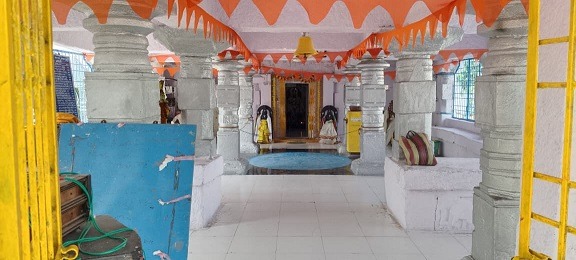
This temple is also known for the girls, who worship at this temple to get married soon of their choicest husbands
The only thing is that the devotees should perform 11 circumambulations for their wishes, and later return for 108 rounds if fulfilled
Incidentally, it is also a hidden jewel of Kakatiya Architecture in Telangana
RAJANNA-SIRCILLA, DECEMBER 15, 2025: In India, there is a god for every wish, every cult. When everything else fails, we rely on the power of prayer. Fertility is no different. There are gods and temples solely dedicated to the fulfilment of the desire of having a child. And girl children are getting married after visiting the temple.
Sri Rukmini Satyabhama Sametha Venugopala Swamy, constructed during the 13th century by the Kakatiya rulers, is situated in Thaduru village of Thangallapalli mandal, around five kilometres from Sircilla textile town in Rajanna-Sircilla district.
It is believed that offering prayers in the temple will free devotees of all their health and monetary problems. Thousands of devotees, especially childless couples, throng this temple every year with the hope of getting their wishes fulfilled.
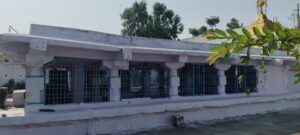
Though modest in size, this village preserves a monumental piece of history: The Sri Rukmini Satyabhama Sametha Venugopala Swamy Temple. This temple is more than a place of worship; it is a timeless chronicle carved in stone, showcasing the skill, devotion, and architectural genius of three generations of Kakatiya rulers.
Historical Significance: Built Across Three Kakatiya Generations
One of the unique aspects of this temple is its phased construction across the 12th and 13th centuries, reflecting the evolution of Kakatiya craftsmanship.
First Phase – Sanctum Construction (Garbhagriha)
The foundation of the temple—the Garbhagriha—was built during the reign of King Ganapatideva (AD 1199–1262). This inner sanctum forms the spiritual heart of the temple.
The Second Phase – Expansion Under Rudramadevi: During the rule of Queen Rudramadevi (AD 1262–1289), the temple underwent significant expansion. This era contributed richly to: Pillared halls, Sculptural detailing, Intricate carvings, Enhanced architectural layout and her period marked a cultural and artistic revival.
The Third Phase – Final Development by Prataparudra-II:
Under Prataparudra II (AD 1289–1323), the temple achieved its final form. This phase is regarded as the peak of artistic refinement, adding layered beauty and perfection to the temple complex.
Even today, visitors can see clear traces of all three architectural stages.
The Deities: Harmony of Peace and Power
The temple enshrines Lord Venugopala Swamy, accompanied by Goddess Rukmini and Goddess Satyabhama. Their combined presence symbolizes the balance between love, strength, and divine grace.
Venugopala Swamy: the Incarnation of Krishna, Embodiment of love, compassion, and calmness.
Rukmini Devi: Incarnation of Mahalakshmi and Symbol of prosperity, harmony, and grace.
Satyabhama Devi: Incarnation of Bhoodevi, the Representation of courage, strength, and assertiveness.
This divine trio blesses devotees with both peace and power, creating a spiritually balanced environment.

A Rare Feature: Alwars Inside the Sanctum
A remarkable aspect of this temple is the presence of four Alwar saints inside the sanctum: Poigaialwar, Bhuthathalwar, Perialwar and Tirumalai Nambi / Nammalwar.
The Alwars were Vaishnava poet-saints (5th–9th century) whose devotional hymns form the Nalayira Divya Prabandham. Their presence symbolises the deep Vaishnava tradition associated with this temple.
Goda Devi (Andal): The only female Alwar and Composer of Tiruppavai is considered the divine bride of Sri Ranganatha.
Each year, the temple celebrates the Goda Kalyanam with grandeur and devotion.
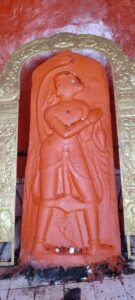
Anjaneya Swamy – The Guardian of the Temple:
Within the temple premises stands a shrine dedicated to Lord Anjaneya (Hanuman).
He is revered as the Kshetrapalaka, the divine protector of the temple and its devotees.
A Place Where Wishes Come True
One of the most cherished traditions here includes:
Worship with Tulasi (holy basil) leaves and perform 11 pradakshinas to make a wish, and complete 108 pradakshinas after the wish is fulfilled.
Many young women seeking marriage and couples praying for children visit this temple with deep devotion.
Devotees often share numerous testimonies of fulfilled prayers.
A Sanctuary of Peace, Devotion & Spiritual Healing
The serene environment of Thaduru’s Venugopala Swamy Temple offers: Relief from mental stress, Peace from emotional turbulence and Clarity amidst life’s confusion.
The divine presence here acts as a ladder to spiritual calmness, rejuvenating every soul that visits.
A Living Monument of Kakatiya Legacy
Despite centuries of wars, invasions, and political changes, this temple stands undefeated—a silent witness to Telangana’s cultural and spiritual history.
It is a spiritual powerhouse. A treasure of medieval sculpture. A living symbol of Kakatiya heritage.
For history lovers, spiritual seekers, and architecture enthusiasts, this temple is a must-visit jewel of Telangana.
Krishnam Vande Jagadgurum
Krishnam vande jagadgurum
Punya shloka shataanam
Veda vedanta vethaaram
Shreekrishnam vande jagadgurum