Authored Article by Dr Kiran Kumar Golla, Assistant Professor in English from EFLU, Hyderabad
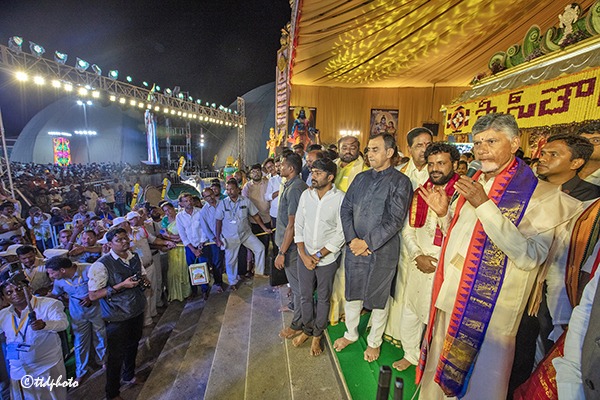
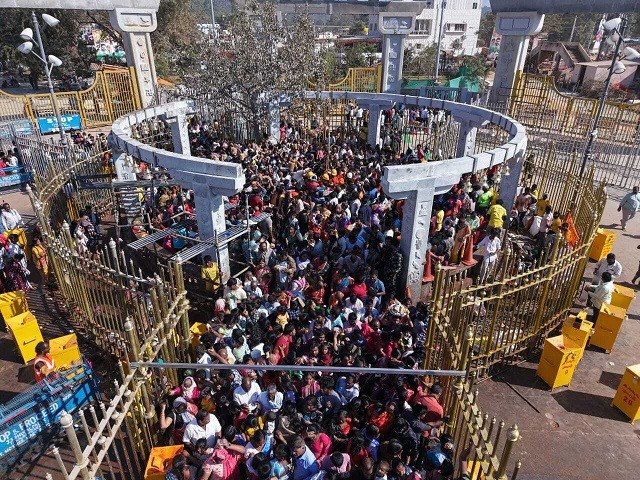
MEDARAM (MULUGU DT), JANUARY 29, 2026: Medaram pilgrimage is also known as Sammakka Sarakka Jatara, and it is one of India’s most remarkable spiritual and cultural get-togethers. Celebrated in alternate years in the thick forests of a village named Medaram in Tadwai mandal of Mulugu district of Telangana state. The carnival is considered the largest ethnic pilgrimage in the world. Deeply rooted in the traditions, beliefs, and history of the Koya tribal community, Medaram Jatara is not merely a spiritual event but a living symbol of ethnic ecological harmony and collective faith.
The biennial jatara takes devotees from Telangana and neighbouring states join the pilgrimage to Medaram to honour the ethnic goddesses Sammakka and Saralamma. Medaram village is situated in a forested region on the shores of the river Godavari, surrounded by hills and streams. The sacred site includes key locations such as the Altars (platforms) Sammakka Gadde, Saralamma Gadde, Nagoba Gadde, and the Chilakalagutta hill, all of which hold ceremonious importance. The forest setting is integral to the carnival, emphasising the ethnic belief in the sanctity of nature. During the Jatara, temporary settlements, markets, and pathways materialise in a quiet forest area. This transformation underscores the extraordinary scale and organisation of the event, achieved largely through community participation and traditional knowledge.
Genesis and Mythological Background
The genesis of Medaram Jatara as per the ethnic cultural memory and folklore passed down orally from one generation to another. As per a folkloric legend, Sammakka was born into a Koya tribal family and later married Pagididda Raju, a tribal chief. According to the same legend, Sammakka and her daughter Saralamma are believed to have fought against the unjust taxation and oppression imposed by local rulers during the Kakatiya period. Rather than surrendering, they chose martyrdom and became revered as divine protectors of the Koya ethnic people. To date, the Koya community believes that Sammakka and Saralamma sacrificed their lives to sustain uprightness and self-esteem. Their spirits are said to return to Medaram during the Jatara to bless the devotees. Millions of pilgrims in millions go to Medaram Jatara to worship nature and symbolic representations, reflecting the indigenous worldview of ethnic cultures.
Rituals and Celebrations
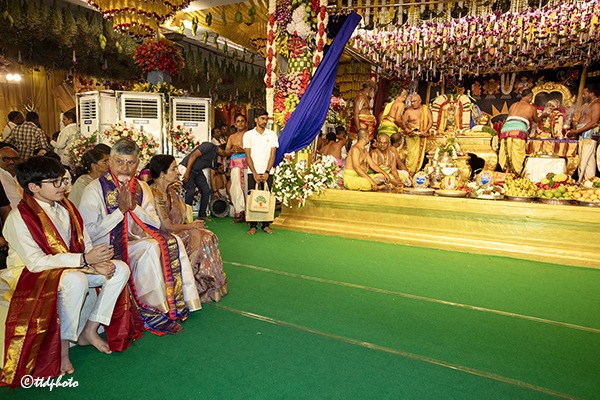
Medaram Jatara is observed for several days, following a sequence of rituals. Based on local legends and cultural memory of native tribes, the carnival begins with the arrival of the symbolic representations of the goddesses, carried from nearby villages. Instead of idols, sacred items such as turmeric, vermilion, bamboo poles, and earthen pots are used to represent the deities. These symbols are believed to embody the divine presence of Sammakka and Saralamma. One of the most important rituals is the offering of jiggery known as ‘bangaram’, which devotees bring in large quantities as a token of gratitude and religious observance. The jaggery is heaped at the sacred platforms, creating a striking visual of faith expressed through simplicity. Before they reach to the main ceremonial place, all the devotees take holy dips in the Jampanna Vagu, a local brook named after Jampanna, Sammakka’s son, who is believed to have sacrificed his life in battle. It’s strongly believed that bathing in the brook is considered purifying and spiritually significant.
An inclusive transcendent ethos
What sets Medaram Jatara apart is its pure enormousness; the carnival attracts millions of people, surpassing even the famous Pushkaralu (Godavari or Krishna Pushkaralu – a large-scale river bathing) in terms of footfall during certain years. Despite this scale, the carnival remains deeply rooted in ethnic civilisations, with no temples and idols. The Telangana government recognises Medaram Jatara as a state carnival and provides extensive logistical support, including transportation, healthcare, sanitation, and security. However, the spiritual core of the event remains firmly in the hands of the ethnic community, especially the Koya people, who act as custodians of rituals and traditions. Medaram Jatara is a powerful expression of ethnic identity and pride. It commemorates resistance against exploitation and celebrates values such as bravery, sacrifice, and justice. For marginalised ethnic communities, the carnival serves as a reminder of their historical agency and cultural richness. The Jatara also promotes social unity. People from different social sectors and regions participate without difference, which reflects an inclusive, transcendent ethos. In Medara,m Jatara is no hierarchy seen, and piety is expressed in personal ways of pilgrims.
Economic and Environmental Aspects
The pilgrimage meaningfully influences the local economy. Temporary markets sell food items, traditional medicines, handicrafts, and daily necessities, providing livelihood opportunities for local families and small merchants. At the same time, the immense inflow of people poses ecological challenges, such as waste management and forest conservation. In recent years, there has been increased awareness about maintaining ecological balance during the Jatara. Efforts are being made to promote cleanliness, reduce plastic use, and protect the forest ecosystem, aligning with the ethnic philosophy of living in harmony with nature.
Therefore, Medaram Jatara is more than a transcendent celebration; it is a philosophical cultural phenomenon that bridges the past and present of India’s ethnic heritage. Embedded in a narrative of resistance and sacrifice, celebrated in the heart of a forest, and sustained by collective faith, the Jatara stands as a testament to the enduring spirit of indigenous traditions. In an era of rapid modernization, Medaram Jatara reminds us of the values of simplicity, righteousness, and respect for nature. Its continued celebration ensures that the voices, beliefs, and histories of ethnic groups remain alive and honoured for generations to come.
Authored article:
Dr Kiran Kumar Golla
Assistant Professor of English
The English and Foreign Languages University,
Hyderabad