Every minute matters in Stroke care: Early detection and timely treatment can improve outcomes
Appeals to people to control BP and weight by doing physical activities
Sitting is a growing epidemic with the advent of social media and is causing several health issues

KARIMNAGAR, NOVEMBER 18, 2026; Stroke and other neurological disorders are increasingly affecting people across age groups, with lifestyle factors such as stress, diabetes, hypertension, obesity, smoking and alcohol consumption contributing to the growing burden.
Medical specialists emphasise that recognising warning signs early and seeking immediate medical attention are critical to improving treatment outcomes and reducing the risk of long-term complications.
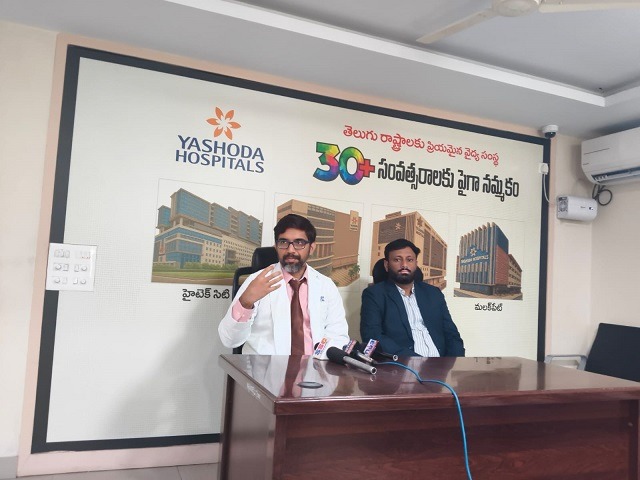
Talking to newsmen here on Wednesday, Dr Jonnalagadda Mohana Krishna, Senior Consultant, Neuro Physician, Yashoda Hospitals, Somajiguda, Hyderabad, stressed on the importance of identifying stroke symptoms and accessing emergency medical care without delay. He stated that strokes are increasingly being reported among younger people, including those in their 30s and 40s. He urged people to remember the FAST warning signs: Face Dropping, Arm weakness, Speech difficulty and Time to seek emergency medical attention.
“People should not wait for symptoms to improve or attempt to manage them at home. Timely evaluation and appropriate intervention, including clot-dissolving medication and mechanical thrombectomy, a minimally invasive procedure to remove any clot obstructing blood flow to the brain, in eligible patients, can restore blood flow and improve the chances of recovery”, he pointed out.
“Every minute matters when a person suffers a stroke. Delaying treatment can result in irreversible brain damage. Recognising the symptoms early and reaching a hospital immediately can significantly improve the chances of recovery, said Dr Mohana Krishna and stressed the importance of timely diagnosis and appropriate treatment of neurological conditions such as migraine, epilepsy, Parkinson’s disease and dementia, which can affect a person’s quality life if left unaddressed.
The Yashoda Hospital provides comprehensive neurological care support by advanced technologies and specialised clinical teams. Its facilities include 3 Tesla MRI, CT scans, EEG. EMG and nerve conduction studies, along with a Neuro ICU and specialised stroke care protocols. These services support the diagnosis and management of a range of neurological conditions, including stroke.
About the Author