There is a need for a prison system based on human values
Technology plays a key role in prison administration
Women officers have a special role in prison administration
The prison system is an important part of the criminal justice system
The human, mental and social needs of prisoners must be taken into consideration
Prison officers should act as guides and mentors for prisoners
Union Minister Bandi Sanjay attended the conference on “Women Officers in Prison Administration” in Bhopal.
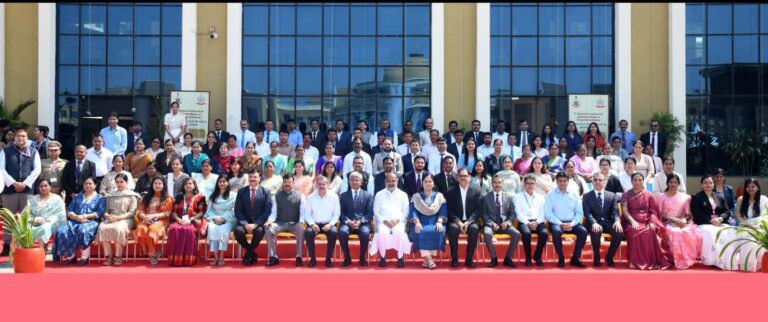
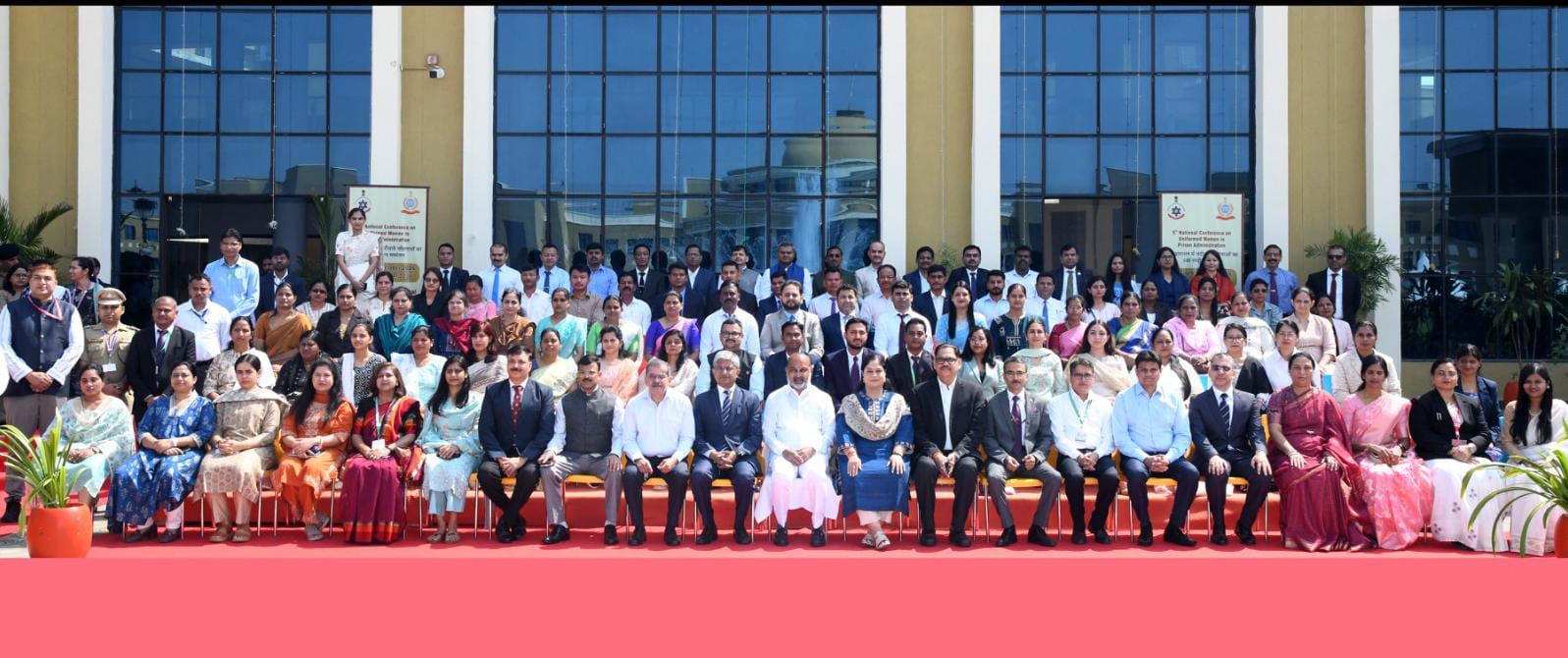
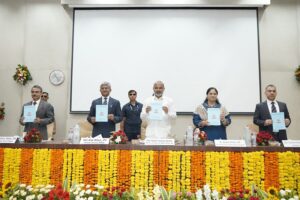
BHOPAL, OCTOBER 08, 2026: Union Minister of State for Home Affairs Bandi Sanjay Kumar has formally inaugurated the fifth National Conference on Uniformed Women in Prison Administration, organised by BPR&D at CAPT, Bhopal, with women prison officers from 27 States/UTs. Also released the “Directory of Prison Officials in India 2026.”
Speaking on the occasion, the Union Minister emphasised leadership opportunities, specialised training, technological skills and mental health support for women officers, whose role is vital in ensuring security and guiding inmates towards reform.
He called for greater attention to the healthcare, safety and rehabilitation needs of women prisoners and their children. Technology must support professional judgement, with human dignity central to prison administration.
Mr Sanjay Kumar said there is a strong need to build a prison system that gives importance to human values. He said women prison officers have an important role in this effort. He also said that technology will play a key role in the future of prison administration.
In his inaugural address, the Union Minister spoke about the role and contribution of women staff in prison administration, their professional development, leadership, emerging challenges in prison administration, and best practices. BPR&D Director General Alok Mittal, IG & Director of Research and Correctional Administration Jitendra Singh Meena, Soumya Mishra, DG, Prisons and Correctional Services, Telangana, Anil Kishore Yadav, IPS, Director, BPR&D–CAPT and Senior women prison officers, representatives from the education sector, and experts working in prisons and correctional administration attended the programme.

The conference is focusing on important issues such as women behind the uniform, job stress, mental health, best practices, institutional reforms, the Model Prison Manual and its guidelines, modern correctional systems, and the care and continued support for women prisoners and their children.
Under the leadership of Prime Minister Narendra Modi and the guidance of Union Home Minister Amit Shah, the Central Government is giving special importance to prison reforms. Over the past few years, we have been providing the necessary support to Central and State Governments to modernise prisons and help in the rehabilitation and reform of prisoners. However, the main responsibility for making changes to existing prison laws, rules and regulations lies with the State Governments.
The role of women in uniformed services has changed significantly in recent years. Today, women are playing important roles as commanders, administrators, trainers, investigators, counsellors, policy experts and institutional leaders. The role of women officers in prison administration is particularly important. Prisons are an important part of the criminal justice system. The prison system must maintain security and discipline while also taking into account the human, mental and social needs of prisoners.
Prison officers should work as custodians, administrators, leaders, mentors and agents of change. Women officers play a very important role in areas such as managing women prisoners, caring for and protecting children living with their mothers in prisons, maintaining family relationships, providing healthcare and mental health support, vocational training, rehabilitation, and preparing prisoners for release.
BPR&D is playing an important role at the national level. Its work is not limited to policing. It also covers correctional administration, research, training, capacity building, and sharing best practices.
BPR&D can act as a bridge between field experience, research findings and policy-making. We must understand that women prisoners may have different needs and circumstances. Therefore, they may need special support in areas such as healthcare, reproductive health, mental health, family relationships, childcare, safety, privacy, education, vocational skills and reintegration into society. So, prison administration should follow a gender-sensitive approach that addresses the specific needs of women.
Professional skills and capacity building are very important. The prison system of the future will need more trained and specialised staff. Modern prison administration requires knowledge of criminology, penology, psychology, behavioural science, mental health management, prison security and intelligence, cyber technology, data analysis, conflict management, drug-use intervention, vocational rehabilitation, legal and human rights issues, and reintegration of prisoners into society after release.
About the Author