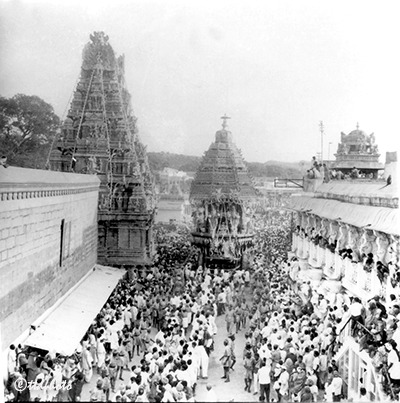
Evolution of Brahmotsavams from Royal Patronage to TTD Management
TIRUMALA, SEPTEMBER 06, 2026: The Brahmotsavam at Tirumala is a nine-day festival grandeur that resonates across the seven hills.
From Dwajarohanam to Chakrasnanam, from daily vahana sevas to the “Govinda” chants of lakhs of devotees, the mega religious event’s fervour evolved over centuries.
Donations by kings, queens, feudatories and devotees; shifts in temple administration; Agama traditions; and time-tested practices together shaped the Brahmotsavam what we witness today.
Not just religious scriptures but the inscriptions on the temple walls in Tirumala provide the most valuable historical evidence of this evolution, as documented in TTD.
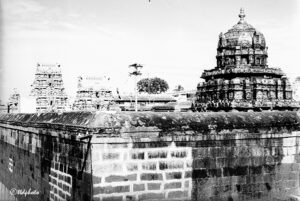
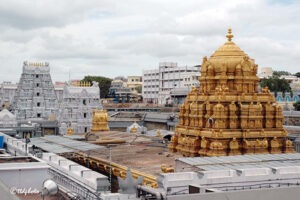
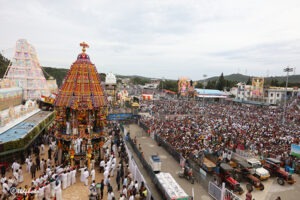
Legendary:
Puranic tradition holds that Sri Brahma-the Creator Himself conducted the first festival when Sri Venkateswara manifested on Seven Hills—hence the name “Brahmotsavam.”
PALLAVA QUEEN HOLDS THE LEGACY:
In 966 CE, Pallava Queen Samavai Sri Perundevi gifted a one feet silver idol of Bhoga Srinivasa Murty, ornaments and land endowments for conducting festivals in Tirumala which is evident from the inscription available on the Northern wall of the first Prakaram.
It also says that Brahmotsavams were conducted in Purattasi and Margazhi months by the 10th century.
Expansion through the centuries and some interesting
During the Chola and Yadavaraya periods, the number of Brahmotsavams grew.
Panguni (attributed to Vira Narasimha Yadavaraya, 1209–1263)
Chittirai (1254, under Vijaya Gandagopaladeva)
Aadi (1300–1330, under Yadavaraya feudatories)
By the Vijayanagara era, up to ten annual Brahmotsavams were recorded in inscriptions (1539–1616), reflecting a living, expanding tradition.
Key royal contributions include:
1513: Sri Krishnadevaraya institutes Thai Brahmotsavam after his first recorded visit on February 10, 1513.
1533–34: Earliest references and endowments for Kartika Brahmotsavam under Achyutaraya.
1539: Aani Brahmotsavam instituted under Tallapaka Pedha Tirumalayyangar.
One more interesting feature is that around 1339, Sri Malayappa Swamy (with Sri Devi and Bhu Devi) became the utsava murtis, forming the basis of today’s vahana sevas and Brahmotsavam processions.
From Mahants to TTD:
In 1843, temple administration passed to the Hathiramji Mutt Mahants, continuing till 1933. (Although in 1803 — Mackenzie Survey notes 28 festivals but with some discrepancies).
With the formation of Tirumala Tirupati Devasthanams (TTD) in 1933, the management shifted to an institutional system.
Subsequently, Brahmotsavams evolved into a large-scale institutional event, integrating accommodation, transport, security, medical services, annaprasadam, information systems and live telecasts to cater to the massive devotee influx.
About the Author