KARIMNAGAR, APRIL 11, 2026: Indian society for centuries was deeply influenced by rigid traditions, customs, and social hierarchies. The caste system, which initially functioned as a division of labour, gradually transformed into a rigid, birth-based hierarchy. This led to discrimination, inequality, and the denial of basic human rights to large sections of society. In such a challenging environment, Jyotiba Phule emerged as a powerful voice against injustice and inequality, becoming one of the earliest social reformers in modern India.
Early Life and Background
Jyotiba Phule was born in 1827 in Maharashtra in a socially and economically backward family. Despite facing numerous social obstacles, he received his education at a Scottish Mission School. His exposure to modern education played a crucial role in shaping his thinking and reformist ideas.
At the young age of thirteen, he married Savitribai Phule, who later became India’s first female teacher and a pioneer in women’s education. Their partnership became a cornerstone of social reform movements, especially in the field of education.
Turning Point in Life
A significant turning point in Phule’s life occurred when he was humiliated based on caste during a friend’s wedding. This incident deeply affected him and led him to question the unjust social structure of caste discrimination. It awakened in him a strong determination to fight against inequality and social injustice.
His thoughts were also influenced by global ideas of freedom and equality. The works of thinkers like Thomas Paine and the example of leaders like George Washington inspired him to believe in human rights, liberty, and justice.
Fight Against the Caste System
Jyotiba Phule strongly opposed the caste system and its oppressive nature. He criticised religious texts and traditions that justified inequality and social division. According to him, the caste system was not only unjust but also harmful to the progress of society.
To challenge these injustices, he founded the Satyashodhak Samaj in 1873. This organisation aimed to promote equality, rational thinking, and social justice. It worked for the upliftment of lower castes and encouraged people to question blind faith and superstitions.
Promotion of Education
Phule believed that education was the most powerful tool for social change. He emphasized that only through education could the oppressed sections of society achieve empowerment and dignity.
In 1848, Jyotiba Phule, along with Savitribai Phule, started the first school for girls in Pune. This was a revolutionary step at a time when women’s education was strongly opposed. He also established schools for children from marginalised communities, breaking barriers of caste and gender.
Their efforts faced strong opposition from orthodox sections of society, but they continued their mission with determination and courage.
Women Empowerment
Jyotiba Phule was a strong advocate of women’s rights. He opposed practices such as child marriage and the denial of education to women. He also worked for remarriage and established shelters for widows.
Savitribai Phule played a key role in these initiatives, working alongside her husband to promote women’s education and empowerment. Together, they laid the foundation for gender equality in India.
Literary Contributions
Jyotiba Phule used his writings as a tool to spread awareness and challenge social injustice. One of his most important works, “Gulamgiri” (Slavery), published in 1873, highlighted the exploitation of lower castes and drew parallels with slavery in America.
Through his writings, he exposed the hypocrisy of the caste system and called for a society based on equality and justice.
Recognition and Legacy
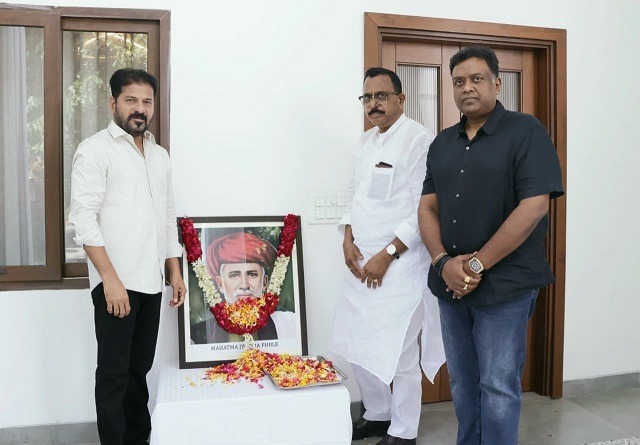
In recognition of his immense contributions, Jyotiba Phule was honoured with the title “Mahatma” in 1888. His ideas and efforts inspired many future leaders and reformers.
Prominent figures like Dr B.R. Ambedkar and Periyar E.V. Ramasamy acknowledged Phule as a source of inspiration. They carried forward his mission of fighting caste discrimination and promoting social equality.
Relevance in Modern India
Even today, India continues to face challenges related to caste discrimination and social inequality. The ideals of Jyotiba Phule remain highly relevant in addressing these issues.
His emphasis on education, equality, and human rights serves as a guiding light for building a just and inclusive society. His vision of a casteless society continues to inspire social movements across the country.
Conclusion
Jyotiba Phule was not just a social reformer but a revolutionary thinker who challenged deeply rooted inequalities in Indian society. His contributions to education, social justice, and women’s empowerment have left a lasting impact.
He dedicated his life to the upliftment of the oppressed and the creation of a fair and just society. Today, he stands as a symbol of courage, equality, and human dignity.
It is our responsibility to carry forward his ideals and work towards building a society free from discrimination and injustice.

Authored Article By: Kanaparthi Sudhakar, Assistant Professor, SRR Government Degree College (Autonomous) Karimnagar
About the Author