Students should reach out to industry professionals and understand how they work: PM
Don’t see studies and art as separate: PM
You can use art to relieve stress and fatigue from studies
PM urges citizens to not throw garbage or spit on the roads, stop at red lights, and not to waste food
Every small step will build Viksit Bharat @ 2047
Discipline is the key, inspiration only adds on to it
Don’t become a slave to technology
Technology is a great teacher, Embrace it
Travel not just to see places, but to understand them like a student: PM
India is incredible- travel and explore
Whatever you study never goes to waste, it remains stored in your mind: PM
Make friends with those who struggle in studies and help them learn: PM
It is important to make sports a part of life: PM
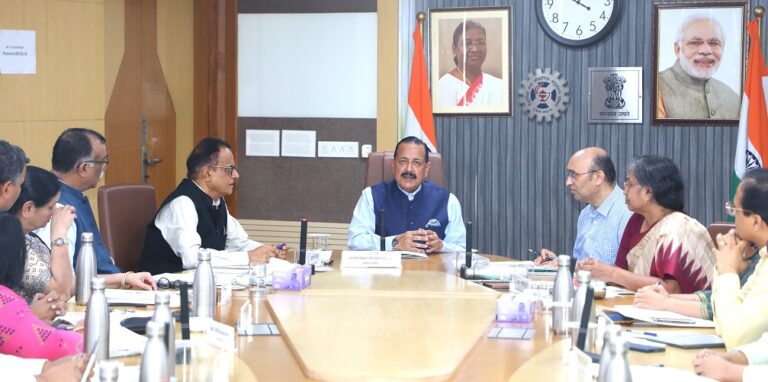
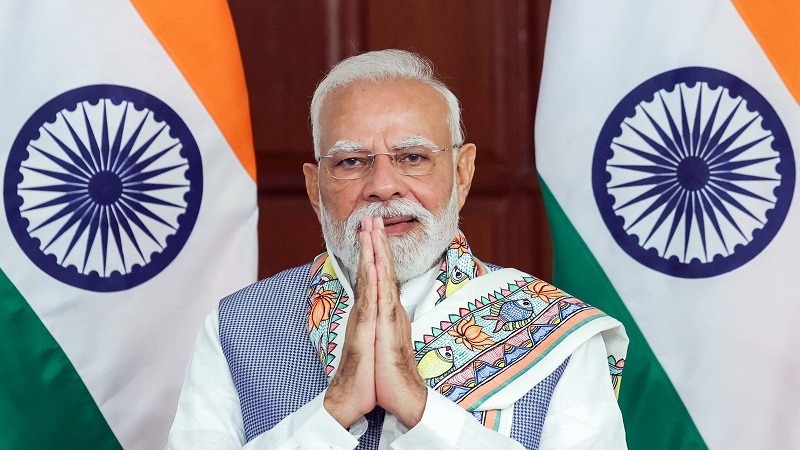
NEW DELHI, FEBRUARY 09, 2026: Prime Minister Narendra Modi interacted with students on Monday in continuation of 9th edition of Pariksha Pe Charcha (PPC) 2026. The Prime Minister had an informal interaction with Exam Warriors from Coimbatore, Raipur, Devmogra and Guwahati during the second episode of PPC 2026.
Welcoming students to the special edition of ‘Pariksha Pe Charcha’, Modi noted that this time the programme was held across different parts of the country. Starting off the Coimbatore edition, PM remarked that the energy and curiosity of Tamil Nadu’s students had deeply impressed him. Greeting them with “Vanakkam,” he engaged in light conversation. Students expressed their excitement, saying they couldn’t believe their eyes when they saw him, expecting a dramatic entry but finding him simple, humble, and down to earth. One student shared that his arrival gave them goosebumps.
Startups & PM’s mantra to study
The Prime Minister highlighted that for many years he has been interacting with 10th and 12th grade students through ‘Pariksha Pe Charcha’, emphasizing that it is a learning programme for him, not a teaching one, and invited students to share their thoughts. Responding to a student’s query on startups, he remarked that the first focus should be on what one wants to do, whether innovation in technology or practical solutions like drones or electricity systems. He advised forming small teams with friends skilled in technology or finance. He highlighted that there is no age requirement for starting a venture, and even small startups can be impactful. He remarked that if there is genuine interest, it is a very good thing. He suggested visiting existing startups, preparing a project report, and presenting it honestly as a school project, which would encourage guidance and support. He concluded that gradually, valuable knowledge will be gained on how to proceed..
Addressing another student’s concern about balancing studies and passion, Shri Modi highlighted that both are useful and can complement each other. He illustrated with an example of combining art with science experiments, saying creativity can help in learning and reduce fatigue, recommending dedicating daily or weekly time to personal interests while ensuring education remains a priority.
Youth contribution to Viksit Bharat & Vocal for Local
When asked about India becoming a developed nation by 2047, the Prime Minister expressed happiness that even young students share this dream. He cited Singapore’s transformation from a fishing village, quoting Lee Kuan Yew’s emphasis on adopting disciplined habits of developed nations. He remarked that small steps like not littering, following traffic rules, avoiding food wastage, and supporting local products contribute significantly to national progress. He stressed being “vocal for local” and choosing to celebrate events like weddings in India rather than abroad, underlining that every citizen’s small actions collectively help build a developed India. Students noted with surprise that he emphasised small steps over large ones, reinforcing that these matter most.
Motivation or discipline?
Prime Minister Shri Narendra Modi, responding to a student’s query on whether motivation or discipline is more important for success, remarked that both are essential in life. He explained that without discipline, inspiration alone is of little use, citing the example of a farmer who feels inspired by his neighbour’s success but fails to prepare his field before the rains, leading to poor results. He highlighted that discipline is indispensable, while inspiration adds value like “gold with ornamentation,” and without discipline, inspiration becomes a burden and creates despair. A student expressed feeling honoured to receive clarity on a question that had been troubling for years.
Rise of AI & its proper uses
Addressing another question on Artificial Intelligence, the Prime Minister remarked that every era has faced concerns with new technologies, whether computers or mobile phones, but fear is unnecessary. He emphasized that technology must not become the master of human life, cautioning against becoming enslaved to devices. He stated firmly, “I will not become a slave,” and advised that AI should be used for guidance and value addition, not as a substitute for learning. He noted that the nature of jobs will always evolve, just as transport shifted from bullock carts to airplanes, but life continues. He highlighted that understanding technology, expanding one’s own capabilities, and integrating its strengths into work ensures progress without fear.
Resolution towards a Viksit Bharat
Students shared their emotions, saying they felt overwhelmed, honoured, and that the Prime Minister seemed like family more than a leader. Concluding his interaction with students in Coimbatore, Prime Minister Modi remarked that the youth of Coimbatore are highly aware of AI, startups, and future technologies, and affirmed that this reflects the youthful thinking of India, which is giving new strength to the resolve of a developed India by 2047.
Continuing the spirit of ‘Pariksha Pe Charcha’ as a dialogue and mutual learning, he highlighted that the discussion later moved from Coimbatore to Raipur, Chhattisgarh, where he had engaging conversations with students and also enjoyed local delicacies.
PM’s guide to travel & staying focussed
Greeting them with “Jai Johar,” he asked about the food traditions and local delicacies. He then invited questions, responding to a query on vacation travel by advising students to first explore their own tehsil, district, and state before venturing further, stressing that tourism is most enjoyable when experienced as a student, traveling by train, carrying food, and learning from the diversity of India.
On a question about exam stress and revision, Shri Modi remarked that students should trust their preparation, remain calm, and focus on subject mastery. He compared learning to sports, noting that consistent practice, discipline, and competition build strength. He suggested a practical technique of making friends with those who struggle in studies and help them learn.
Balancing studies & sports
Addressing a student aspiring to balance sports and studies, Prime Minister remarked that education is essential not only for personal life but also for social life, and it must never be underestimated. He cautioned against the mistake of believing that excellence in sports alone eliminates the need for studies, while also clarifying that education alone is not everything. He emphasized that talent must be developed, and while playing is necessary to become a sportsperson, having play in life itself is equally important. He stated that life must include play to remain balanced, remarking, “If I play, I will flourish.” He highlighted that one must study as well, so that others do not dismiss them as someone who only stays on the field without knowledge. He concluded by affirming that true strength lies in being powerful both in academics and in sports. Students expressed that they would implement his advice in their lives and shared their overwhelming gratitude for the experience.
Protecting the environment
Prime Minister Modi, responding to a student’s question on contributing to environmental protection, remarked that conserving natural resources must become part of our nature. He emphasized that small rules in daily life bring big change, citing the example of turning off water while brushing and using it only when needed. He shared an inspiring story of a teacher who collected oil cans from petrol pumps and asked children to bring leftover water from their homes in bottles, which was then used to water plants. With vegetable scraps acting as fertilizer, the entire school became green, showing how one teacher’s initiative transformed the environment. He highlighted that human behavior can spark such change and that small, simple actions are enough to protect the environment.
About the Author